Discover Robuso aramid scissors for cutting carbon fiber, fiberglass, Kevlar, UHMWPE, and composite materials in industrial applications.
Applications of Aramid Scissors in Industrial Fields
Robuso aramid scissors have a much wider range of applications in industrial fields than in the medical field. Their core value lies in cutting advanced composite materials with high hardness, high wear resistance, and high slippage. Below are typical application scenarios, selection considerations, and limitations in industrial applications:
I. Core Application Scenarios (by Industry)
1. Composite Material Processing (Most Core)
Typical Materials:
Carbon fiber prepreg,
aramid fiber cloth, fiberglass cloth,
ultra-high molecular weight polyethylene fabric.Aramid: Extremely tough; ordinary scissors will slip and cannot cut the fiber bundles.
Carbon Fiber: High hardness (Mohs hardness approximately 5-6); ordinary scissors will chip after a few cuts.
Fiberglass: Wears down the blade like sandpaper.
Specific Operations: Trimming prepreg edges during manual layering, cutting fiber cloth samples, and repairing rough edges on laminates.
Recommended Scissors: Titanium-coated or diamond-like carbon-coated scissors with micro-serrations.
2. Cut-resistant Material Processing
Materials: Cut-resistant gloves (containing stainless steel wire or fiberglass), stab-resistant vest fabric (such as Twaron aramid), cut-resistant conveyor belts.
Challenges: The materials contain hard fibers or metal wires, which ordinary scissors can jam or damage.
Advantages of Aramid Scissors: Micro-serrations can grip slippery synthetic fibers, and the hard coating resists abrasion from metal wires.
Industrial Applications: Production of personal protective equipment, maintenance of safety equipment (e.g., cutting open discarded cut-resistant gloves for testing).
3. High-Performance Textile Cutting
Materials:
Aerogel felt, polybenzimidazole (PBI) fiber fabric,
polyimide fiber cloth (high-temperature fire-resistant clothing).
Features: These materials are both slippery and tough, and some are used at high temperatures (e.g., repairing fire-fighting suits). Aramid scissors' abrasion resistance allows them to remain sharp for a long time.
Comparison: Ordinary tailor's scissors become dull after cutting 5 meters of PBI fabric, while aramid scissors can cut over 50 meters.
4. Wire and Cable Stripping
Scenario: Stripping the sheath of optical cables with aramid fiber reinforcement (and cut-resistant cables).
Why it's special: The
aramid yarn in the reinforcement is extremely difficult to cut; ordinary wire strippers will chip. The micro-teeth of the aramid scissors can grip the yarn and cut it cleanly in one go.
Specialized tools: There are specially designed aramid scissors for optical cables (with a limiting groove to prevent damage to the optical fiber).
5. Rubber/Plastic Edge Trimming
Materials: Reinforced plastic injection molded parts containing glass fiber or carbon fiber, tire cord fabric edges.
Note: Only suitable for thin-walled soft materials (<2mm). Hard, thick materials still require other tools.
II. Precautions for Industrial Use
Recommended materials only: Do not use to cut metal wire (unless it is nominally cut), hardened steel, stone, or glass—the coating will peel off instantly.
Regular cleaning: Aramid/carbon fiber debris will stick to the micro-teeth. Wipe it clean with an alcohol swab every hour of work; otherwise, the more you cut, the more it will stick. Slippery.
Two spare blades: one for cutting carbon fiber/glass fiber (wears out quickly), and the other specifically for cutting aramid/
UHMWPE (to maintain sharpness).
Protection: Wear a mask when cutting carbon fiber (dust is conductive and irritates the skin); wear cut-resistant gloves when cutting aramid (the material itself is slippery and easily slips from your hand).
Discard criteria: When the blades slip (cannot grip the fibers), the cut becomes frayed (fibers scatter), or white lines appear on the blade, they should be replaced or re-sharpened.
III. Typical Industrial Scenarios
Case 1: Wind Turbine Blade Production
Materials: Fiberglass/carbon fiber blend prepreg
Operation: Trim edges during manual layering
Frequency of Use: 200-500 cuts per blade
Shear Life: High-quality aramid shears can complete 2-3 blades (approximately 1000-1500 cuts) before needing re-sharpening
Case 2: Bulletproof Vest Production
Materials: Multi-layer aramid fabric
Challenge: Extremely high resistance when cutting multiple layers
Tips: Do not stack more than 3 layers, otherwise the micro-serrations will tear instead of cutting; use a circular blade cutting machine instead.
Case 3: Fiber Optic Cable Installation
Materials: Aramid reinforcing yarn from ADSS fiber optic cable
Tools: Specialized aramid fiber optic cable shears (with V-groove)
Results: Cuts hundreds of aramid yarns in 3 seconds without damaging the internal optical fibers
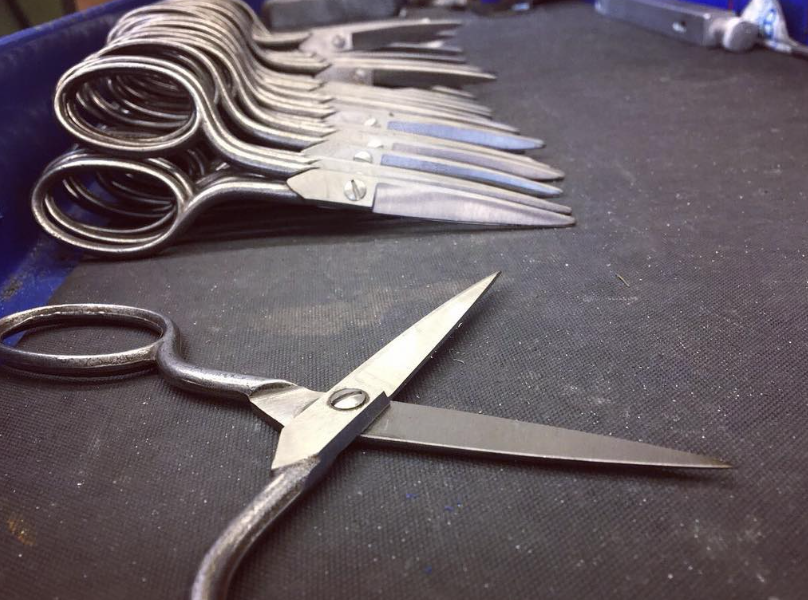
Summary in one sentenceRobuso aramid shears are essential for the manual cutting of advanced composite materials such as carbon fiber, aramid, glass fiber, and UHMWPE in the industrial field, and are indispensable in wind power, aviation, bulletproof materials, and fiber optic cable installation. Robuso aramid shears can be considered a high-performance, cost-effective hand tool.


